Speed Meets Silence: Why EVs Are Winning the Power Race
Electric vehicles don’t warm up they launch. Instant torque, baked into the DNA of electric drivetrains, means flooring it results in movement, not noise. Unlike combustion cars that have to build revs and shift gears, EVs deliver full power from a standstill. The result? A quiet sprint that shames sports cars three times the price.
In real world driving, this matters. Whether you’re overtaking on a highway or merging into tight city traffic, that responsive jolt makes electric feel fast, even when it’s not gunning for top speed. There’s no transmission lag. No turbo delay. Just straight up momentum the second you touch the pedal.
Luxury EV brands are running with this. They’ve realized that performance isn’t just 0 to 60 chest beating it’s also feel, control, and silence. Tesla proved early that electric could be quick. Porsche, Audi, and Lucid took it further, refining the ride, manipulating weight distribution, and dialing in smoother handling. It’s not about being loud. It’s about being precise.
In the world of performance, EVs have redefined what speed feels like. And they’re just getting started.
Engineering Breakthroughs Driving Performance
The latest gains in battery tech are reshaping what ‘fast’ feels like. Solid state batteries are closer than ever to road ready, offering higher energy density and fewer overheating issues. That means more power in less space, with quicker charging and better thermal management. Less time plugged in. More time driving.
Then there’s the quiet hero of EV handling weight placement. With batteries slung low under the floor, luxury EVs have a naturally low center of gravity that anchors them to the road. Add near perfect weight distribution, and you get handling that feels sharp but effortless. It’s not just stability it’s grace on four tires.
Aerodynamics have also evolved. With no need to cool a combustion engine, brands are closing the grille, smoothing the underbody, and reshaping their silhouettes. The result? Less drag and less noise at high speeds. The driving experience feels cleaner, quieter, and oddly calming even with power on tap.
In short, the engineering edge isn’t just about going fast. It’s about going better. Every breakthrough serves a smoother, more precise drive what luxury was always meant to feel like.
Track Ready Tech in Consumer Hands
Luxury EVs aren’t just about quiet cabins and sleek badges anymore they’re edging into territory once reserved for high performance combustion builds. At the heart of this transformation: advanced drive modes. Whether you’re pulling out of a grocery store lot or pushing through hairpin corners on a weekend track day, today’s performance settings can shift your EV from whisper soft to blisteringly sharp with the turn of a dial or tap of a screen.
Torque vectoring adds another layer. By dynamically adjusting power to each wheel, these systems help plant you tighter in corners, minimize slippage, and make even 5,000 pound cruisers feel agile. Pair that with adaptive suspensions, and you’re basically rewriting the physics of comfort versus control. The result? A car that reads the road like it’s running telemetry live.
Then there’s the brains behind it all: in car AI and predictive software. These systems learn your driving style, anticipate conditions, and optimize settings in real time. Some are even using data from other vehicles and online sources to prep the chassis and drivetrain before you hit that next tight bend or patch of rain.
It’s not about gimmicks. It’s about giving you race day tools in a daily package and making every trip feel dialed in by design.
The Role of Design: Form Follows Function

Design in luxury electric vehicles (EVs) is no longer just about aesthetics it’s intrinsically tied to performance. From sleek exteriors to tech driven interiors, every element is engineered for both form and function.
Performance Oriented Interiors
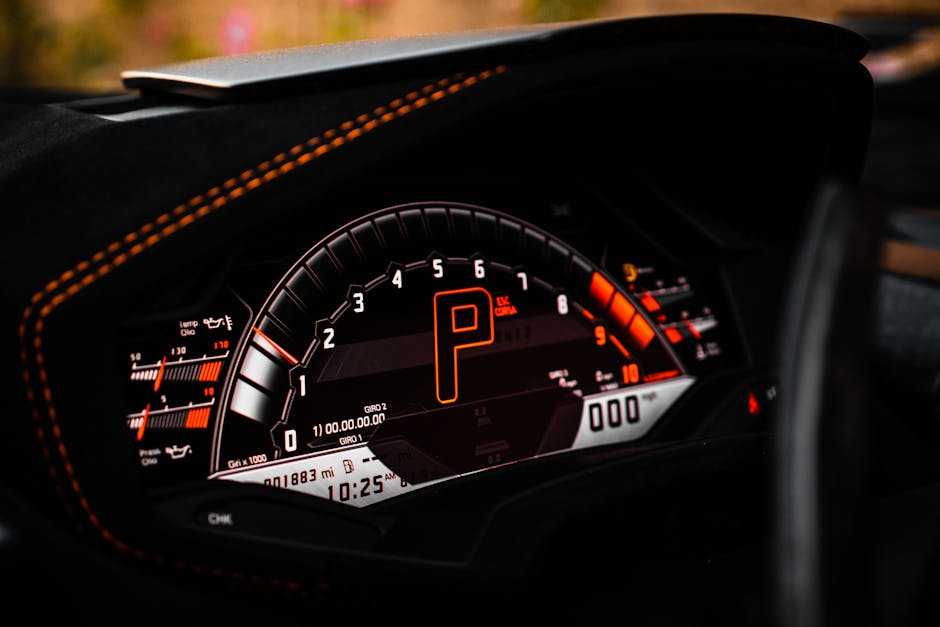
Luxury EVs are embracing minimalist cabin designs that emphasize a driver focused experience without distraction. But simplicity doesn’t mean sacrificing insight these cabins are loaded with real time data and digital display systems that provide:
Performance metrics (torque, battery efficiency, acceleration)
Adaptive controls based on driving mode
Heads up displays for speed and navigation
The result is an interface where information enhances performance without overwhelming the driver.
EV Specific Chassis Design
Unlike combustion vehicles, electric vehicles aren’t constrained by traditional engine layouts. This freedom allows designers to rethink structural form for performance:
Clean silhouette: Battery placement enables sleeker profiles with improved aerodynamics
Stronger frames: Integrated battery platforms add rigidity to the chassis for better handling at speed
Lower center of gravity: A result of underfloor battery packs, contributing to a more planted drive
These structural choices aren’t just practical they redefine how a high performance car should look and feel.
Design That Drives Efficiency
Great design in luxury EVs doesn’t just turn heads it extends range and improves road presence:
Aerodynamic sculpting reduces drag and lessens energy demand at higher speeds
Active aero elements adjust automatically to optimize airflow
Wider stance and precision lines project power and stability
Together, these elements prove that in EVs, beauty and performance are not competing goals they’re complementary.
In the luxury segment, design is no longer a separate department from engineering it’s a vital part of the performance equation.
The Brands Pushing the Limits
Three names dominate the conversation when it comes to high performance luxury EVs: Porsche Taycan, Audi e tron GT, and Tesla Model S Plaid. Each one brings a different philosophy to the table and that’s what makes this new age of electric speed so compelling.
The Porsche Taycan is all about precision. It’s engineered with the kind of tight handling and track focused stiffness you’d expect from a brand with motorsport heritage. Acceleration is quick, sure but it’s Porsche’s obsessive tuning, low slung handling, and bulletproof build quality that give it a unique presence.
The Audi e tron GT shares some DNA with the Taycan (they’re platform brothers), but it leans more into refined aggression. Quieter, a bit softer around the edges, but still massively quick. Inside, it’s more traditional Audi digital, plush, and intuitive. The drive? Effortless power delivery with just enough drama to keep it fun.
Then there’s the Tesla Model S Plaid, the chaos agent in this segment. It’s raw power, minimal fuss. 0 60 in under two seconds, with a cabin that asks you to trade German fit and finish for simplicity and software dominance. Tesla isn’t trying to beat Porsche at being Porsche it’s building something unapologetically its own.
Each brand is carving out a different corner of what luxury performance means in an electric context. Speed is just the beginning. The real difference lies in how each car delivers it and how that delivery reflects the core identity of the brand.
Explore more of the machines shaping this EV renaissance in Top Electric Luxury Cars to Watch This Year.
Future Outlook: Beyond 1000 HP
Race derived tech is no longer reserved for pit lanes and sponsorship decals. It’s in the garage wrapped in leather and branded badges. Dual motor setups with Formula E DNA, regenerative braking systems tuned for both track and traffic, ultra light materials pulled straight from racing prototypes all of it is creeping into the upper tier of luxury EVs. And it’s not just a trickle anymore; it’s a flood.
But punch alone won’t cut it. Global regulations are tightening, and performance has to play by new rules. That means high speed, zero emissions, and low noise. Automakers are under pressure to deliver smarter speed performance that shows up not just on lap times, but carbon footprints. Lightweight bodywork, intelligent thermal management, and AI optimized driving modes are defining this new era.
The benchmark isn’t just hitting 60 faster than your neighbor’s sports car. It’s doing it efficiently, elegantly, and sustainably. Performance, in this next chapter, isn’t just horsepower it’s harmony. For luxury EVs, the future is fast, but it’s also refined, responsible, and laser focused on what driving should feel like not just how it measures on paper.
What Enthusiasts Should Watch
Performance Gains at the Push of a Button
One of the most thrilling shifts in luxury EV ownership is the rise of software based performance upgrades. Unlike traditional vehicles that require physical modifications, electric performance can be unlocked with over the air (OTA) updates:
Manufacturers can enhance acceleration figures without a single mechanical change
Tesla, Porsche, and other leaders are offering pay to unlock or subscription based boosts
Personalized tuning algorithms adapt to driver behavior dynamically
Example: A simple update could trim your 0 60 mph time by half a second overnight, bridging the gap between comfort and curve hugging aggression.
Sustainable Speed That Doesn’t Compromise
The old trade off between eco consciousness and driving excitement is disappearing fast. New luxury EVs prove that sustainability and performance can coexist:
High efficiency motors offer instant torque with minimal energy loss
Regenerative braking enhances range while delivering a responsive feel
Extended battery life reduces waste and boosts practical performance metrics
Bottom line: These machines are built to thrill without the guilt.
Silent Power, Maximum Emotion
For driving purists, the quiet ride of EVs once seemed like a downside. Not anymore. Today’s electric powertrains deliver:
Unfiltered connection between pedal and pavement
Cabin silence that intensifies the visceral impact of speed
Enhanced emotional engagement through finely tuned haptic feedback and sonic design
Why it matters: The joy of driving is evolving EVs don’t mute the experience, they redefine it. For luxury performance fans, this is the next revolution.
 Editorial Director