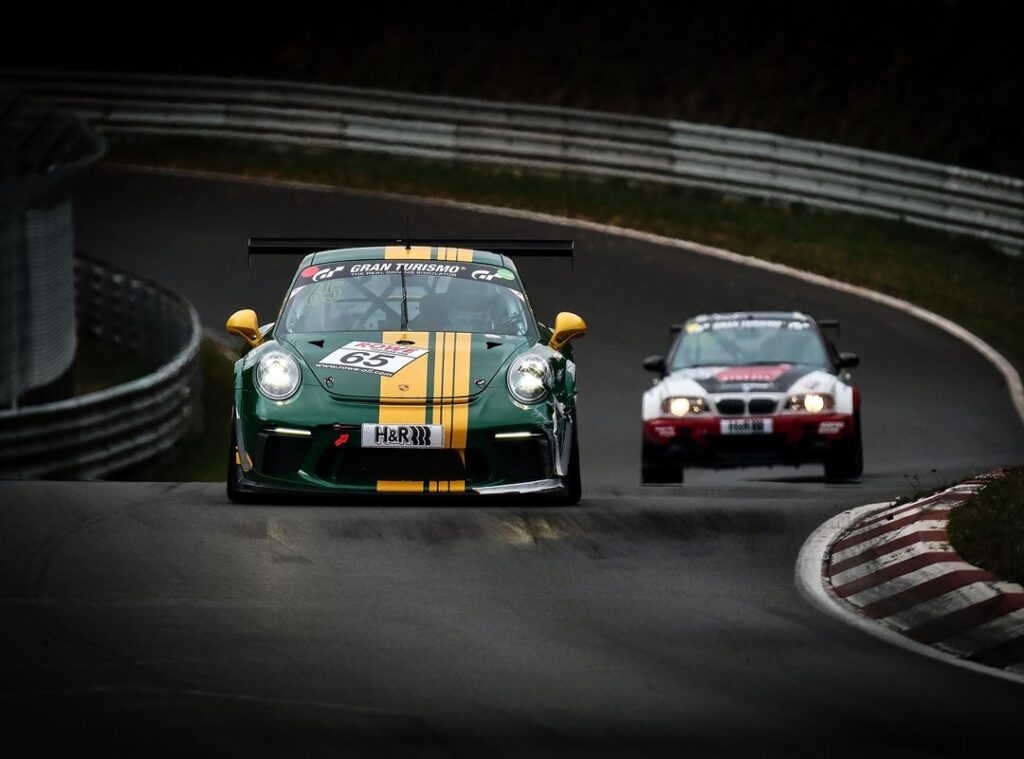
Tires scream. Smoke hangs in the air. A car blurs past at 200 mph.
And you feel it in your chest.
That’s not how it started.
I remember watching old footage of drivers in cloth caps and goggles, leaning out of open cockpits just to see the road. No seatbelts. No telemetry.
Just guts and gasoline.
You ever wonder how we got from that to this?
The Evolution of Racing Fmbmotoracing isn’t just about faster cars. It’s about people pushing limits. Sometimes dying to do it.
While engineers, mechanics, and fans kept demanding more.
Most fans love the speed. But they don’t know why the rules changed in ’78. Or how a tire war in the early 2000s reshaped every team’s budget.
Or why safety gear looks like astronaut gear now.
That gap matters. Because if you don’t know where racing came from, you can’t read what’s coming next.
This article walks through the real shifts (not) the glossy highlights (the) messy, dangerous, brilliant turns that made modern racing what it is.
No fluff. No jargon. Just straight talk on how the sport actually changed.
By the end, you’ll watch a race differently. You’ll spot the legacy in every pit stop, every overtake, every helmet cam shot.
You’ll understand the weight behind the speed.
Chariots, Dust, and Dumb Luck
I watched a chariot race reenactment once. Two horses, one driver, zero brakes. People screamed.
I held my breath. That same raw itch (who’s) faster? who’s braver? (hasn’t) changed.
The Evolution of Racing Fmbmotoracing starts here. Not with engines. With hooves.
Then came the first cars. Clattering, smoking, barely roadworthy. I’ve seen photos of the 1894 Paris-Rouen race.
Look at those things (they’re) basically carriages with engines bolted on. And people raced them. On open roads.
Past cows. Over potholes that could flip you sideways.
Why? Because someone said “let’s see what this thing can do” (and) ten others said “bet mine’s quicker.”
That race wasn’t about trophies. It was about proving the machine wouldn’t blow up before Rouen. Drivers wore goggles and prayer beads.
One car averaged 12 mph. The winner got a silver goblet. (He probably needed it to steady his hands.)
Roads were dirt. Brakes were wood on iron. Steering?
A suggestion. You didn’t race for glory. You raced to find out if the damn thing would hold together.
I’d call that bravery. Others called it suicide. Same difference, really.
You think your commute is stressful? Try driving a steam-powered death trap through French farmland with no map and no spare parts.
Those early racers weren’t heroes. They were tinkerers with terrible ideas (and) just enough luck to survive. Check out Fmbmotoracing if you want to see how far we’ve come from that chaos.
Roaring Engines, Raw Tracks
I watched old footage once. Cars bouncing down dirt roads with no guardrails. That was racing in 1920.
Then the 1920s hit. Manufacturers stopped tweaking road cars and started building machines only for speed.
It wasn’t glamorous. It was loud, dangerous, and totally unregulated.
Alfa Romeo built the P1. Bugatti dropped the Type 35. These weren’t souped-up sedans (they) were stripped-down, lightweight, single-purpose weapons.
Tracks followed. Brooklands opened in 1907, but real circuits like Monza (1922) and Spa-Francorchamps (1921) were built for sightlines, banking, and lap times. Not just showing off.
Spectators showed up. Big crowds. Real money.
And rivalries flared: Alfa vs. Bugatti. Mercedes vs.
Sunbeam.
Speeds jumped past 120 mph. Drivers wore leather helmets and goggles (if) they wore anything at all.
Safety? A padded railing counted as progress. (Spoiler: it didn’t help much.)
This wasn’t just faster driving. It was the first real shift toward professional motorsport.
The Evolution of Racing Fmbmotoracing began here. With grease, grit, and zero guarantees.
You think today’s safety gear is overkill? Try imagining racing without it.
Racing got serious fast. Not because people cared about rules (but) because someone always crashed.
War Ended. Racing Exploded.
I watched old footage once. Dust. Smoke.
Drivers in open cockpits, no helmets, just scarves and grit. That was 1947. The war was over.
Factories stopped making tanks and started building race cars.
Engines got bigger. Faster. Louder.
People needed something real after years of rationing and fear. Racing gave it to them.
Formula 1? Cold precision. Narrow tracks.
European engineers arguing over carburetors while drivers risked their necks on rain-slicked streets.
NASCAR? American asphalt. Stock cars that weren’t stock.
Daytona Beach. Beer. Family crews wrenching under bare bulbs.
Le Mans? Twenty-four hours. Headlights cutting through fog.
Drivers swapping seats like relay runners. Exhaust fumes and coffee breath.
Fans showed up by the thousands. Not just in Europe or the U.S. Argentina.
Japan. South Africa. Racing wasn’t local anymore.
It was everywhere.
Drivers became heroes (not) because they were perfect, but because they kept coming back after crashes that should’ve killed them. Fangio. Moss.
Andretti. Names you still hear in garages today.
Tires melted. Wings broke off. Engineers duct-taped solutions mid-race.
Innovation wasn’t planned. It was desperate.
This wasn’t polished. It wasn’t safe. It was raw.
Real.
The Evolution of Racing Fmbmotoracing starts here (not) with data or algorithms, but with people who refused to slow down.
You think those early riders had safety gear? (They didn’t.)
You think they worried about lap times before survival? (Nope.)
Racing Got Real
I watched my first race in ’98. The cars sounded like angry bees. Now they sound like jet turbines humming at idle.
Computer tech changed everything. Not just faster lap times. Real control over what the car does.
Aerodynamics got serious. Wings don’t just push down anymore. They adjust mid-corner.
Telemetry feeds data every millisecond. You see brake temps, g-forces, tire slip (all) live.
Safety jumped ahead too. Chassis don’t crumple like they used to. HANS devices stopped neck breaks cold.
Medical teams arrive in under 90 seconds. That’s not luck (that’s) design.
Simulators? They’re not video games. Drivers run full race weekends before leaving home.
They learn tracks blindfolded (almost). Data tells them where to brake before their brain catches up.
This isn’t man vs machine. It’s man with machine. Pushing limits no one thought possible.
You think that’s overkill? Ask any driver who walked away from a 180 mph crash.
The Evolution of Racing Fmbmotoracing isn’t about nostalgia. It’s about what works now.
And if you’re wondering how safe it really is (Is) Motorcycle Racing Safe Fmbmotoracing cuts through the hype.
Your Next Lap Starts Now
I just walked you through The Evolution of Racing Fmbmotoracing. Not as a textbook. Not as a timeline.
As something real. Chariots kicking up dust, drivers sweating in leather helmets, engineers wiring circuits at 3 a.m.
You wanted to understand how racing got here. Not just the cars (the) why behind the speed. That gap?
It’s gone.
This isn’t about nostalgia. It’s about seeing that red light go out and feeling the weight of centuries behind it. The bravery hasn’t changed.
The hunger for faster hasn’t changed. Only the tools have.
So next time you watch a race. Any race (don’t) just watch the car. Watch the person inside. it the team in the pit.
Watch the history humming under the engine note.
You came here because you felt disconnected from what racing means. Now you know where it came from. Now you see it.
Go watch a race this weekend. Turn up the sound. Lean in.
And let that roar hit different.
Do it.
 Editorial Director