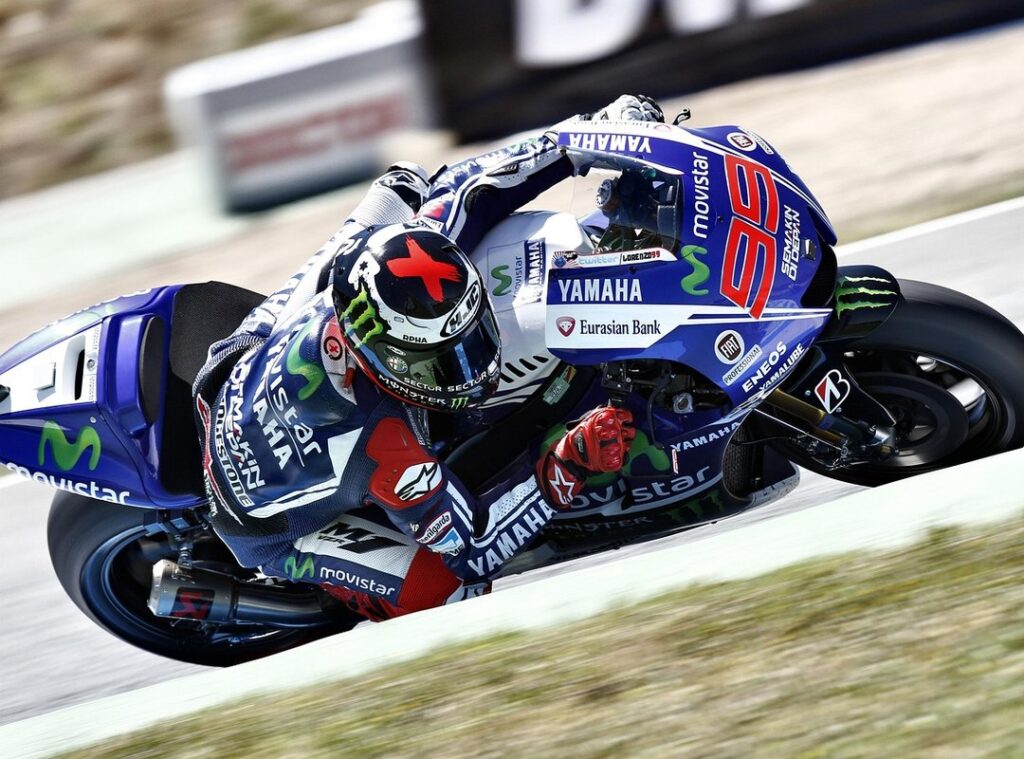
Is motorcycle racing safe? You’re already asking that. I asked it too (right) before my first track day.
Spoiler: it’s not safe like driving to work.
But it’s not a death wish either.
Is Motorcycle Racing Safe Fmbmotoracing isn’t about pretending danger doesn’t exist.
It’s about knowing what actually kills riders. And what doesn’t.
I’ve seen crashes where the rider walked away. I’ve also seen low-speed spills end badly. Turns out, gear matters more than speed.
Track rules matter more than bravery. And training matters more than raw talent.
This isn’t some glossy brochure.
I’m telling you what worked. And what got people hurt.
You’ll get real numbers. Not “some say” or “experts agree.”
Actual injury rates from real series. What helmets really stop.
Why certain tracks are safer than others (and why that’s not obvious).
No hype. No fearmongering. Just what you need to decide if this sport fits your risk line.
Read this before you sign up. Before you buy gear. Before you assume anything.
Why Motorcycle Racing Isn’t Safe (And) Why Riders Do It Anyway
Is Motorcycle Racing Safe Fmbmotoracing? Let’s be real: it’s not.
I’ve seen riders walk away from 120 mph crashes. I’ve also seen them miss the podium because they couldn’t lift their arm for three weeks.
No seatbelts. No airbags. No metal cage.
Just you, the bike, and physics saying good luck.
One twitch on the throttle. One late brake. One rider drifting half an inch too wide in Turn 3.
That’s all it takes.
Crashes happen most often mid-corner, under hard braking, or when someone misjudges a draft.
Road rash shreds skin off like sandpaper. Broken collarbones are so common they’re boring. Concussions don’t always show up right away.
Sometimes they sneak in later, quiet and mean.
You feel the adrenaline first. Then the fear. Then the focus.
Then the adrenaline again. It’s not bravery. It’s calibration.
You learn to trust your reflexes more than your instincts.
You stop asking what if and start asking what now.
Safety gear helps. But gear doesn’t cancel risk. It just changes the odds.
Some riders wear titanium knee braces. Others tape their wrists. None of it makes the sport safe.
It makes it survivable. Sometimes.
You ride because the machine talks to you in a way nothing else does.
Not because it’s safe.
Because it’s true.
(And if you’re serious about learning how real racers train, check out Fmbmotoracing.)
The Safety Gear: Your First Line of Defense
I wear full-face helmets. Snell or ECE approved. Not DOT.
Not “looks cool.” Not “fits my head okay.”
You think it’s just about stopping skull fractures? It’s also about keeping your jaw shut, your eyes covered, and your brain from sloshing inside your skull when you hit pavement at 100 mph. (Spoiler: brains don’t bounce well.)
Leather racing suits? One-piece only. Zippers must lock.
No vents that unzip mid-corner. Real leather stops road rash like nothing else. And yes, you will slide.
I’ve seen textile suits shred in under two seconds. Leather lasts.
Racing boots? They lock your ankles. No flex.
No twist. Your foot stays where it belongs (not) bent sideways under the bike. Gloves?
Full coverage. Knuckle armor. Wrist closure tight enough to hold pressure but not cut off blood.
Back protectors go inside the suit. Chest protectors too. Optional?
Sure. Until you land on your spine. Then they’re not optional.
They’re why you walk away.
This gear isn’t for photos. It’s not for sponsors. It’s for you.
To absorb impact. To scrape instead of tear. To slow down force before it slows down you.
Is Motorcycle Racing Safe Fmbmotoracing? Only if you treat safety gear like oxygen. Not an afterthought.
How Tracks and Rules Keep Riders Alive
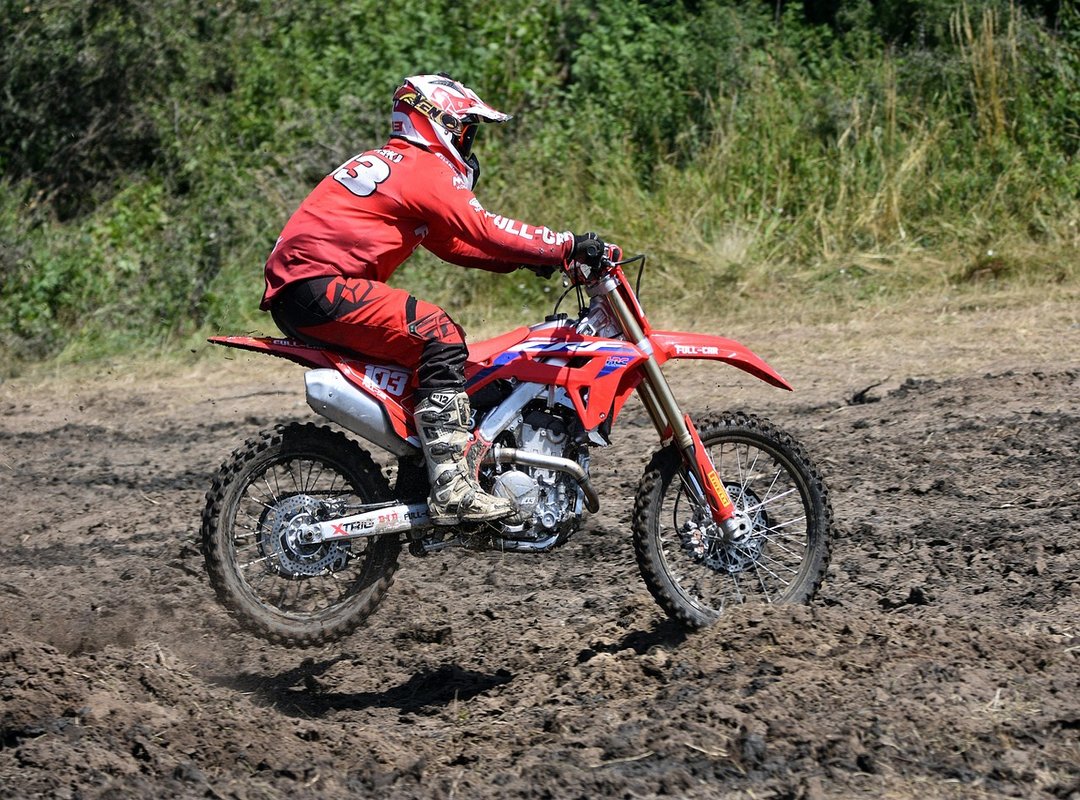
I’ve watched bikes slide sideways into gravel traps. They slow down fast. That’s the point.
Run-off areas are wide on purpose. Gravel traps grab tires. Air fences absorb impact better than concrete walls.
(Yes, they look weird. They work.)
Race officials watch every corner. Flag marshals signal danger in real time. Medical teams sit ready (helicopter) on standby at big events.
You don’t wait for a crash to start responding.
Before engines fire, every bike gets inspected. Brakes. Tires.
Suspension. No exceptions. A loose bolt isn’t “minor.” It’s a stoppage.
Rules exist because someone crashed trying something stupid. Reckless passing? Penalties.
Ignoring flags? Black flag. Fair play isn’t about sportsmanship (it’s) about not killing yourself or others.
Rider briefings aren’t filler. We walk the track. Point out the blind crest.
The slick patch near turn 5. The runoff that’s narrower than it looks. You ride what you know.
Is Motorcycle Racing Safe Fmbmotoracing? It’s safer than it was (and) that’s thanks to lessons learned the hard way. The Evolution of Racing Fmbmotoracing shows how far we’ve come.
Not perfect. Just less deadly. Every change starts with a crash nobody wanted.
Rider Skill Is Not Optional
Rider skill matters more than any helmet or tire compound.
I’ve seen riders crash on straightaways because they didn’t know how to shift weight in a panic stop.
Training isn’t optional. Start with a riding school (not) your buddy’s backyard lot. Track days come after you can brake smoothly and lean without white-knuckling the bars.
Braking wrong kills momentum. Cornering wrong flips bikes. Body positioning isn’t about looking cool (it’s) about keeping the front tire loaded when you need grip.
You don’t think your way out of a high-side. You train your reflexes first. Then your brain catches up.
Mental focus? It’s not just “staying calm.”
It’s knowing when to back off before your heart rate spikes into dumb-decision territory. It’s walking away from a lap because your gut says no.
Novice classes exist for a reason. They’re not a badge of shame. They’re a filter.
Riding against people who match your pace keeps everyone alive.
Is Motorcycle Racing Safe Fmbmotoracing?
Only if you respect the gap between what you think you can do and what your body actually knows.
Want proof? Look at who actually wins races (and) how long they last. Which Rider Won the Motogp Fmbmotoracing
Spoiler: it’s rarely the guy who skipped track days.
Real Talk About Risk and Riding
Motorcycle racing isn’t safe.
But it’s not reckless either.
I’ve seen riders walk away from crashes that looked impossible.
That didn’t happen by luck.
It happened because of Is Motorcycle Racing Safe Fmbmotoracing. Not as a yes-or-no question, but as a daily choice. Gear that works.
Tracks built to slow you down before the wall. Coaches who spot bad habits before they cost you control. Events run by people who care more about your pulse than your lap time.
None of it erases risk.
None of it should make you feel invincible.
You already know what scares you most. Is it losing control? Getting hurt?
Looking foolish in front of others?
Whatever it is (that’s) where you start.
Don’t buy a bike first.
Don’t watch a race and decide you’re ready.
Go to a track day. Take a class with real instructors. Not YouTube videos.
Ride slow on purpose. Learn how your body reacts before the adrenaline kicks in.
That’s how you stop guessing.
That’s how you build real confidence.
Your gut knows the answer.
Now go test it (safely.)
 Editorial Director