Australia’s automotive landscape is undergoing a massive transformation. As drivers increasingly prioritise sustainability without compromising on performance or comfort, electric vehicles are taking over the roads. In fact, a recent report from the Australasian Fleet Management Association notes that battery electric vehicle sales increased to 69,414 units in a single quarter, meaning EVs and hybrids capture almost half of Australia’s new car market. With this rapid influx of battery-powered vehicles comes a totally new generation of high-tech cabin designs. While these modern interiors look spectacular on the showroom floor and offer unmatched comfort, they require specialised care to survive the intense Australian climate.
The Unique Vulnerability of Modern EV Cabins
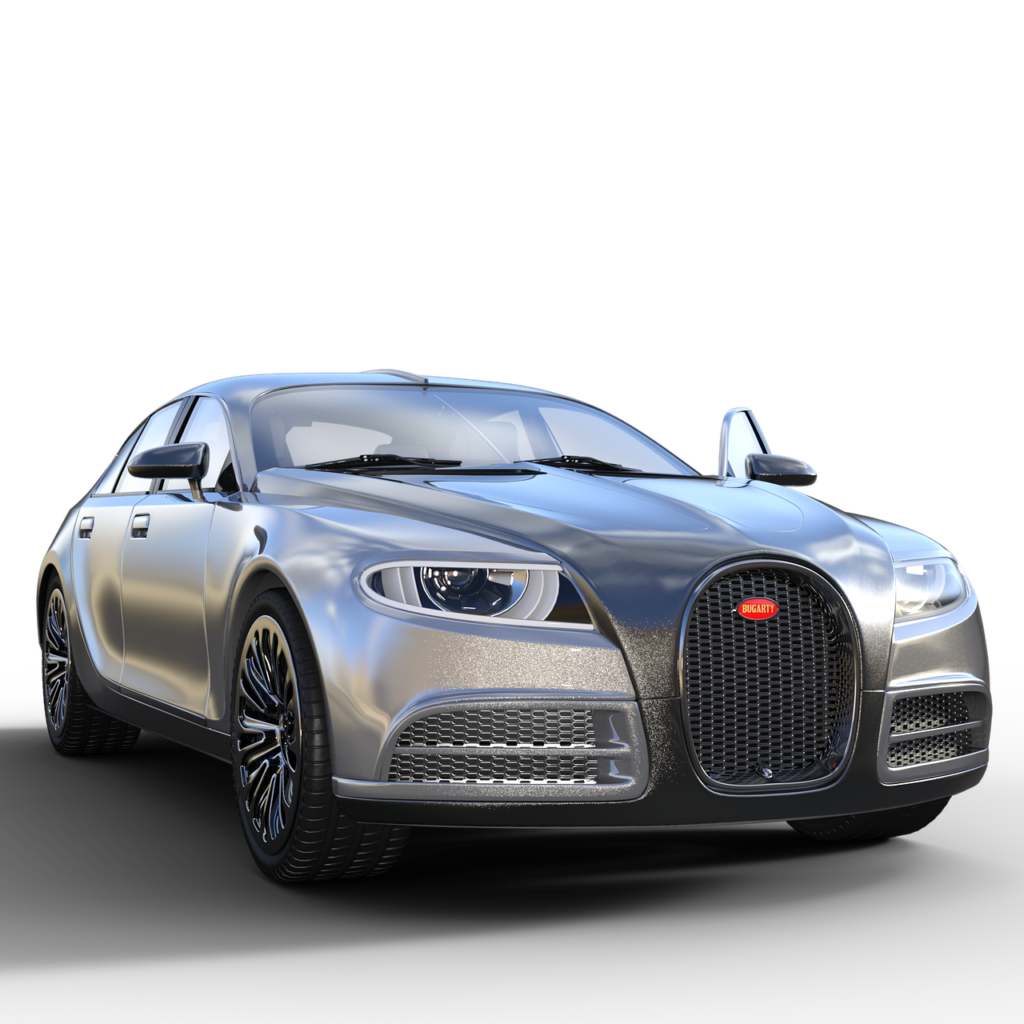
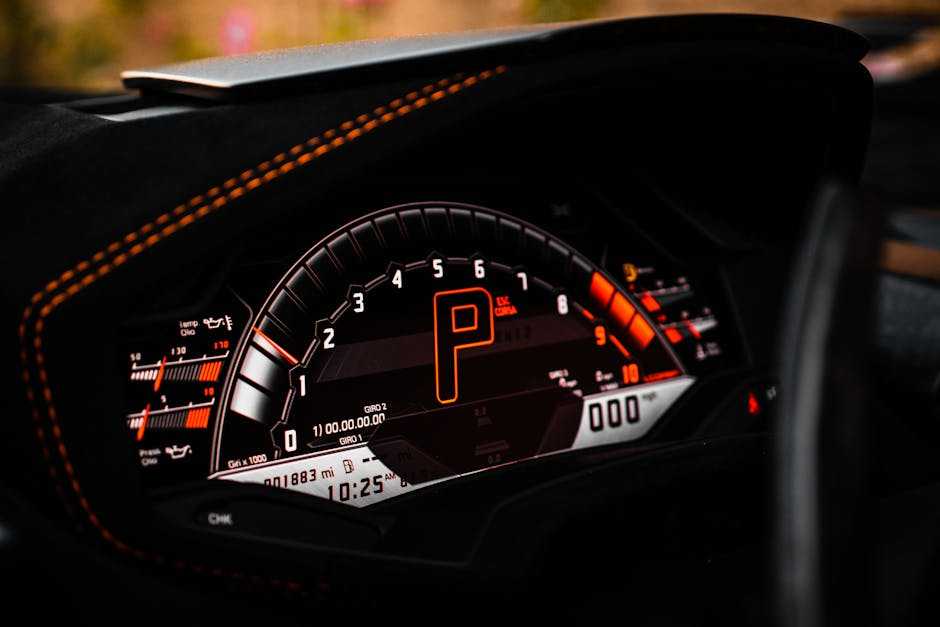
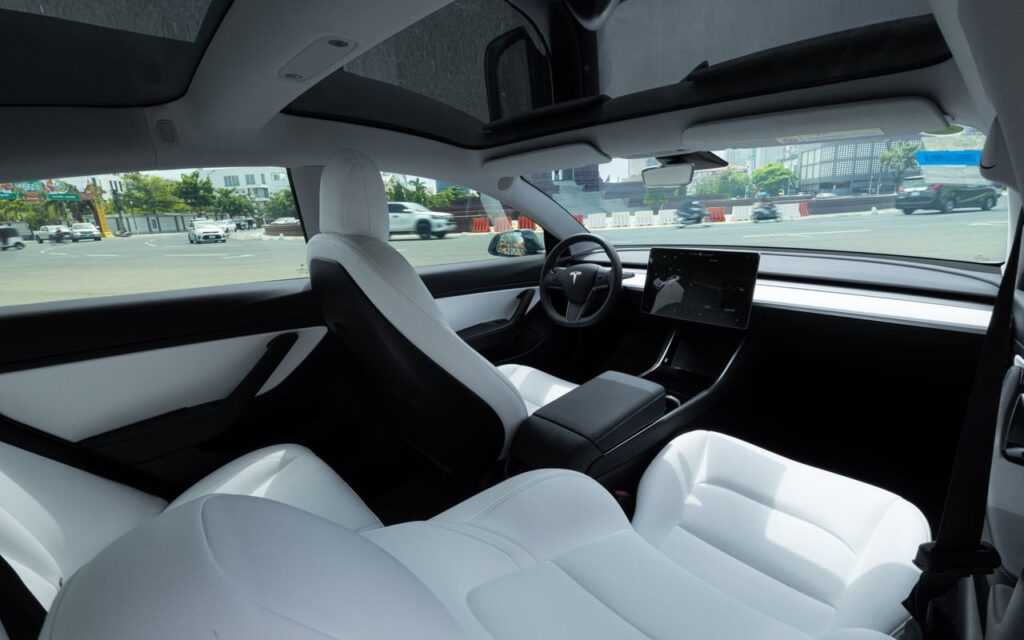
Today’s premium electric vehicles are closer to rolling computers than traditional combustion cars. Cabin designs are largely defined by massive central infotainment systems that control everything from climate to navigation. Intelligent rotating touch screens are rapidly becoming the standard for modern driving, alongside eco-friendly vegan leather upholstery. As highlighted in a recent feature on the top electric luxury cars to watch this year, these cutting-edge models represent a massive leap in sustainable design. However, they also introduce unique vulnerabilities when exposed to extreme Australian heat.
The local climate poses a severe threat to these high-tech environments, particularly for the latest wave of tech-forward vehicles dominating the roads. Financial analysts have dubbed this rapid market transformation the “BYD effect”, noting that the brand recently delivered its 100,000th vehicle to the Australian market. When these sophisticated electronic components are parked in direct sunlight, they can suffer from severe LCD degradation or lagging touch responses. For owners of these popular models, utilising a custom-fit BYD car sunshade is one of the most effective ways to actively lower ambient cabin temperatures and shield delicate screens. Furthermore, the synthetic textiles used in vegan leather are highly susceptible to fading, drying, and premature cracking under prolonged ultraviolet radiation.
The Impact of the Australian Summer Heat
Tests conducted by the Royal Automobile Club of Victoria reveal just how quickly this damage can occur. Their research shows that a vehicle interior can dangerously exceed 70 degrees Celsius in just a matter of minutes when the outside temperature is a mild 30 degrees. Shockingly, about 75 percent of a car cabin’s maximum temperature spike occurs within the very first five minutes of being parked in direct sunlight.
Traditional car care routines often fall short when applied to modern electric vehicles facing this level of heat. Because synthetic vegan leathers rely heavily on polyurethane and silicone-based textiles, they behave very differently than traditional leather. Professional detailers warn that standard oil-based leather conditioners cannot absorb into vegan leather and will simply sit on the surface, making physical sun-blocking accessories the primary defence against material degradation.
Essential Steps to Preserve Your EV Interior
To keep your high-tech cabin in pristine condition, consider incorporating the following protective measures into your daily routine:
- Block UV Rays at the Source: Use physical sun-blocking accessories with a highly reflective outward-facing surface every time you park outside. This is the most reliable method for lowering ambient cabin temperatures and protecting heat-sensitive electronics.
- Use Water-Based Cleaners: Avoid harsh chemicals, heavy soaps, or oil-based conditioners. Instead, wipe down your vegan leather seats with a gentle, water-based interior detailer designed specifically for synthetic materials.
- Maintain Screen Health: Clean your expansive digital driver displays and central touchscreens with a premium microfibre cloth and an alcohol-free screen cleaner. Never spray liquid directly onto the screen, as moisture can easily seep into the sensitive electronic housing.
- Seek Covered Parking: Whenever possible, choose shaded or underground parking to prevent that initial five-minute temperature spike from aggressively baking your cabin’s delicate eco-materials.
The shift towards sustainable luxury is an exciting development for Australian drivers. However, preserving the sophisticated technology and eco-friendly materials inside these vehicles requires a proactive approach to sun protection. By understanding exactly how heat and UV radiation affect modern cabins and investing in tailored physical barriers, you can ensure your premium electric vehicle remains a comfortable, high-tech sanctuary for years to come.
 Luxury Lifestyle & Partnerships Manager