

You’ve seen the term Debt Securities Gscfinanceville on a bank statement. Or heard it at a town hall. Or scrolled past it online and kept going.
I did too (until) I realized it’s just lending money. Plain and simple. You give cash to someone (a city, a company, your neighbor’s bakery) and they promise to pay you back.
With interest.
But in Gscfinanceville? People get stuck on the jargon. They think it’s for “experts” or “big investors.”
It’s not.
Why does this matter to you? Because these loans shape local projects. They affect your taxes.
They influence where your retirement money goes.
This isn’t theory.
I’ve sat with neighbors who thought debt securities were risky or confusing. Until we walked through real examples from our own community.
The info here comes from standard finance rules (not) hype, not guesswork.
Just clear explanations tied to Gscfinanceville’s actual banks, bonds, and budget talks.
You’ll walk away knowing what debt securities are, how they show up in your life, and whether they fit your goals. No fluff. No jargon detours.
Just answers.
Debt Securities Are Just Loans With Paperwork
Debt securities are loans. That’s it. Not magic.
Not rocket science. Just someone borrowing money and promising to pay it back.
I lent my cousin $500 last year. He wrote me a note saying he’d return it in six months with $25 extra. That note?
A homemade debt security. (It’s not tradable on Wall Street, but the idea’s the same.)
The borrower gets cash. The lender gets a promise: principal (the original amount) plus interest (the fee for waiting).
You’re the lender when you buy a U.S. Treasury bond. The government is the borrower.
Same deal with a corporate bond (except) now it’s Apple or Ford asking for your money.
These aren’t abstract concepts. They’re real contracts. Real payments.
Real risk.
Some people think debt securities are only for banks or hedge funds. They’re not. You’ve probably owned one without knowing it.
Through a retirement fund or even a savings bond from your grandma.
Want to see how this works in practice? learn more about Debt Securities Gscfinanceville.
No jargon. No fluff. Just who owes what.
And when.
Why Borrowing Feels Like Pulling Teeth
I’ve watched schools in Gscfinanceville wait years for repairs. I’ve seen small businesses stall because they couldn’t afford new equipment. They need money.
Fast. Not paperwork marathons.
Banks say no (or) charge too much (or) cap how much they’ll lend. So companies and governments turn elsewhere. They issue debt securities.
That means they borrow directly from you. From me. From pension funds.
From anyone who buys. It’s not a loan from one bank. It’s thousands of small loans rolled into one big pile of cash.
You buy a bond. They get cash. You get paid back with interest.
No ownership changes hands. No board seats. No voting rights sold.
Stock dilutes control. Debt doesn’t.
They use that cash to fix roads. Fund cancer research. Pay teachers.
Keep lights on. Not flashy. Not glamorous.
Just necessary.
Ever tried explaining to a parent why the school roof still leaks? Yeah. That’s why this matters.
Debt Securities Gscfinanceville isn’t magic. It’s math. And trust (and) a promise to pay.
Some promises hold up. Some don’t. You check the issuer.
You check the terms. You decide.
Would you rather lend $1,000 to your city (or) hand it to a bank that then decides what to do with it? Think about that. Then read the fine print.
How to Lend Money (and Get Paid)
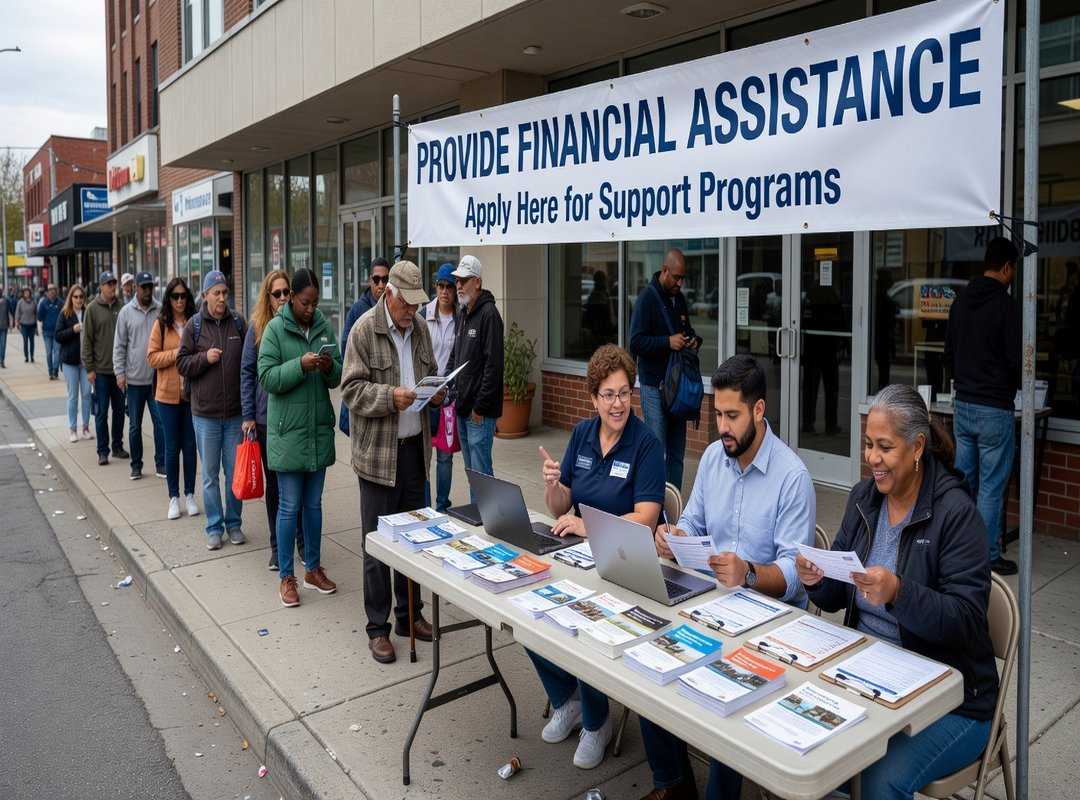
You buy debt securities. You become the lender.
In Gscfinanceville, that means buying a bond. The issuer (a) company, city, or the U.S. government. Promises to pay you back your original money plus interest.
That’s it. No magic. Just a contract.
Savings bonds? Simple. Buy them at face value.
Hold them. Get paid later.
Corporate bonds? A company borrows from you. They pay interest until the maturity date.
When they give your original money back.
Municipal bonds? Issued by local governments. Yes, maybe even Gscfinanceville itself.
(They’re often tax-advantaged. Check Tax Deductions Gscfinanceville for how that works.)
Coupon rate? Just the interest rate. Not fancy.
Just “you lend $1,000 at 4% a year.”
Where do you buy them?
Brokerage accounts. Or directly (like) TreasuryDirect for U.S. Treasuries.
No middleman needed.
You decide how long you want to lend. One year? Ten?
Thirty?
Maturity date is just the day you get your cash back.
Some bonds let you sell before then. Others don’t.
You choose.
It’s not investing in hope. It’s lending with terms.
You set the rules (or) pick the ones that fit.
Why trust a company over your city? Why pick short-term over long?
You already know the answer.
Debt Securities: What You Actually Get
I buy debt securities because I want my money back. Not maybe. Not someday.
Back.
They pay interest. Regularly. That’s income you can count on.
Stocks don’t promise that. (And they often don’t deliver.)
Diversification isn’t a buzzword here. It’s basic math. If stocks crash, your bonds might hold steady.
Or even rise. You’re not betting everything on one outcome.
Capital preservation matters to me. A lot. Most debt securities return your principal at maturity.
That’s the point (not) to chase growth, but to avoid loss.
But let’s be real: lower risk means lower returns. Over decades, stocks usually win. Bonds?
They keep pace with inflation. If you’re lucky.
Inflation eats returns. Slowly. Slowly.
A 3% bond feels safe until groceries cost 5% more next year.
Interest rates move. When they rise, your existing bond’s price drops. You won’t lose money if you hold to maturity.
But selling early? Ouch.
Default risk exists. Yes, even with governments. It’s rare (but) not zero.
Ask anyone who held Greek bonds in 2012.
Debt Securities Gscfinanceville isn’t magic. It’s trade-offs. Clarity over hype.
Predictability over surprise. Want more straight talk on balancing risk and income? Check out the Investment hacks gscfinanceville.
You Get It Now
I remember staring at the term “debt securities” and feeling stuck. Like it was coded language. You did too.
That confusion? Gone. Debt Securities Gscfinanceville are just loans you buy. Plain as that.
You lend money to a government or company. They pay you back with interest. No magic.
No jargon traps.
This isn’t theory. It’s how you earn steady returns while keeping risk lower than stocks. It’s how you protect your savings and grow them.
You don’t need a finance degree to use this. You just need to know what it is.
So. What’s your next move? If you’ve been avoiding bonds because they felt too complicated, that stops now.
Grab a notebook. Write down one goal: retirement, a house, your kid’s tuition. Then ask yourself: where could a predictable income stream help?
Talk to a local advisor in Gscfinanceville. Not tomorrow. This week.
They’ll help you match real options to your life (not) some textbook example.
You already understand the core idea.
Now go use it.
 Editorial Director