
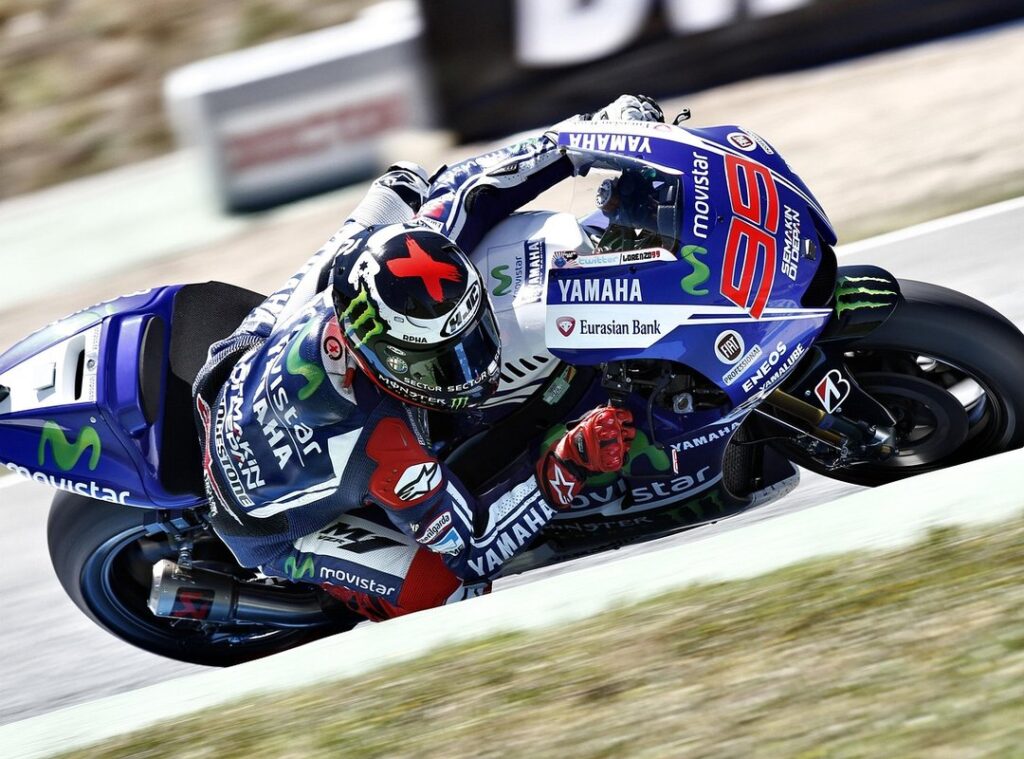
The roar of a motorbike engine isn’t just sound. It’s tension, speed, and risk all at once.
You feel it in your chest before the race even starts.
I’ve stood trackside watching riders lean so far they scrape knee sliders on asphalt. It’s wild. It’s dangerous.
It’s alive.
But how did this start?
Not with carbon fiber or telemetry (just) men on noisy, wobbly machines trying to go faster than anyone thought possible.
This article answers How Motorbike Racing Started Fmbmotoracing. No fluff. No jargon.
Just the real story.
You’re probably wondering: Who raced first? Where? On what kind of bike?
Did they even have helmets? (Spoiler: no.)
The early days weren’t about trophies or sponsor logos.
They were about guts, grease, and figuring things out as they went.
Understanding that origin changes how you watch a race today.
It’s not just spectacle (it’s) legacy.
We’ll follow the shift from basic bikes to roaring machines. From dirt tracks to world championships. From “Can we do this?” to “How fast can we go?”
You’ll get names, dates, and moments that actually mattered. Not myths. Not marketing.
Just what happened.
Read on (and) see where it all really began.
Steam, Sweat, and Stupid Speed
I saw a photo of the Daimler Reitwagen once. It looked like a metal skeleton strapped to two wheels with a firebox underneath. (Not exactly Instagram material.)
That thing wasn’t built for glory. It was built so Gottlieb Daimler could get from point A to point B without a horse.
Early motorcycles were transportation first. Always. Steam engines came first.
Then gasoline. Most just bolted an engine onto a bicycle frame because that’s what existed.
You think they cared about lap times? No. They cared if the thing stayed upright past the end of the street.
But then (of) course. Someone revved it louder than their neighbor. And someone else said “bet mine goes faster.”
That’s how Motorbike Racing Started Fmbmotoracing. Not in stadiums. In fields.
On dirt roads. Between friends who owned machines nobody knew how to fix.
These weren’t races. They were dares. With consequences.
(Like broken spokes. Or broken bones.)
The Reitwagen mattered because it proved engines could move people on two wheels. Everything after that. Every roar, every crash, every Fmbmotoracing moment (started) there.
No fanfare. No sponsors. Just heat, noise, and a stubborn idea.
You ever try starting one of those early bikes? I have. It takes three people and a prayer.
Most riders back then just wanted to go somewhere.
They didn’t know they were building a sport.
Roads Were Never Meant for Racing
I watched old footage of bikes tearing down dirt roads with no helmets, no barriers, just dust and hope.
That was racing before it had rules (or) sense.
People raced because they could. Not for trophies. Not for sponsors.
Just to see who had the fastest machine and the guts to ride it.
Then someone crashed. Then someone died. Public roads got too dangerous.
Too unpredictable. Too many carts, cows, and kids playing.
So we built tracks. Closed circuits. Places where speed didn’t mean risking lives every lap.
The first reliability trials? They weren’t glamorous. Just riders proving their bikes wouldn’t fall apart over 100 miles of gravel and mud.
Speed tests came next. One rider. One straightaway.
A stopwatch. That’s it.
Rules followed fast. You couldn’t just show up with a modified engine and call it fair. Judges appeared.
Timers got official. Start lines got painted.
Crowds showed up (not) in stadiums yet, but at field edges, on hillsides, leaning out of windows. They smelled oil. Heard engines scream.
Felt the ground shake.
This messy, loud, dangerous evolution is how motorbike racing started Fmbmotoracing.
No grand plan. No boardroom plan. Just people refusing to slow down.
You think they cared about branding back then? (Spoiler: they did not.)
Racing got organized because chaos stopped being fun (and) started being fatal. So we drew lines. Made rules.
Built fences. And somehow, that made it more exciting.
Isle of Man TT: Where It All Got Wild
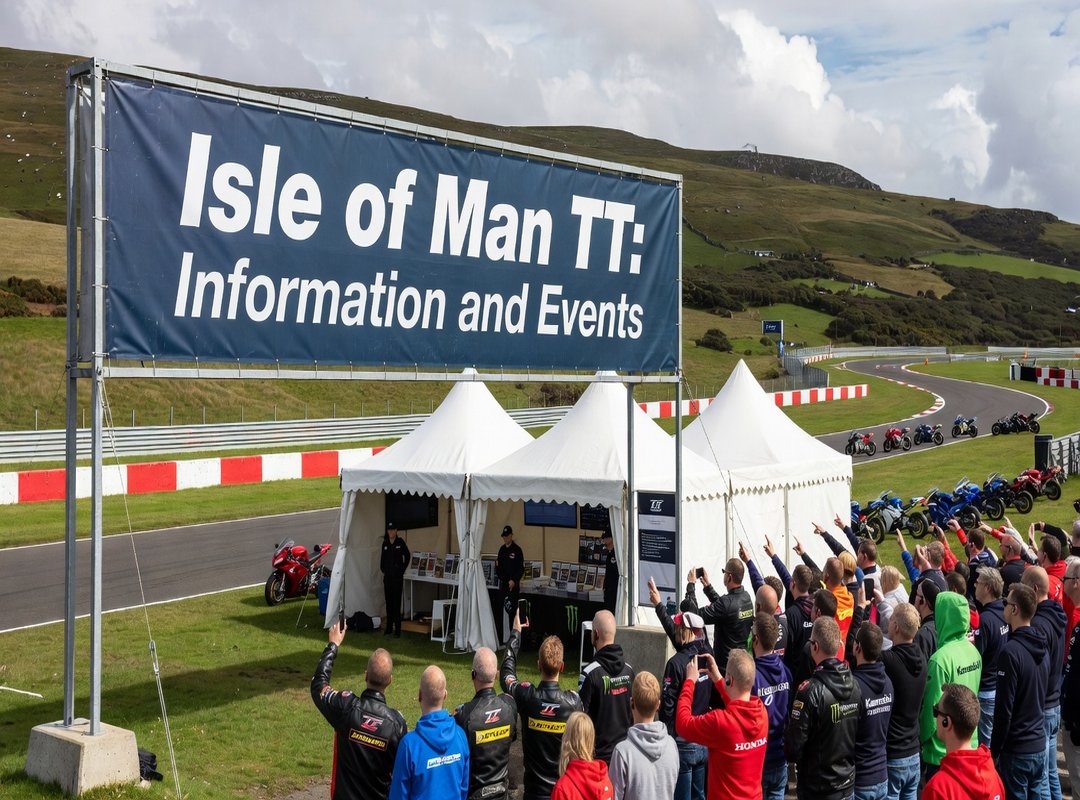
I watched my first TT race on a grainy VHS tape.
It looked like suicide with throttle.
The Isle of Man TT started in 1907. No purpose-built track. Just public roads.
Farm lanes, village streets, mountain passes. They picked it because the island had its own laws. Less red tape.
More risk.
That course is 37.7 miles long. You hit 200 mph past someone’s garden wall. There’s no runoff.
No margin. Just asphalt and consequence.
Riders die there. Still do. That’s not drama.
It’s fact. (And yes, it still draws crowds.)
Other early races mattered too. Brooklands in England. Daytona Beach in Florida.
They were raw. Unpolished. Built on sand or concrete cracked by speed.
Manufacturers didn’t wait for safety standards. They raced to prove engines could survive. Brakes wouldn’t fade.
Frames wouldn’t snap. Every win pushed metal, rubber, and nerve further.
Which Rider Won the Motogp Fmbmotoracing? That question links back to this chaos (because) today’s bikes owe their guts to those early bets.
How Motorbike Racing Started Fmbmotoracing isn’t about glamour.
It’s about guys bolting bigger carbs onto street bikes and praying.
No sponsors. No simulators. Just oil, noise, and the smell of burnt rubber on tarmac that hadn’t been paved for racing.
How Racing Bikes Got Real
I started on a street bike with clipped fenders and a louder pipe.
So did everyone else in the 1920s.
They weren’t built to race.
They were built to get you home (and) then someone raced them anyway.
That’s how motorbike racing started. No rules. No sponsors.
Just guys who wanted to know what their bikes could do.
Lighter frames came first. Then engines that didn’t shake themselves apart at 70 mph. Then suspension that didn’t bounce you off the seat on every bump.
Engineers didn’t wait for permission. They cut, welded, and re-tuned in garages after work. Mechanics knew more than manuals ever said.
You think today’s bikes are fast?
Try holding one together at 100 mph on a dirt track with no brakes worth the name.
The tech race didn’t follow the sport.
It was the sport.
Every lap shaved time. Every tweak raised the ceiling. Every failure taught something real.
This wasn’t theory.
It was oil-stained hands and burnt clutch plates.
And it’s why I still watch old footage (just) to see how much they got wrong before they got it right.
How Motorbike Racing Started Fmbmotoracing? It began with people who refused to accept “good enough.”
You can read more about that raw, unfiltered origin story at Fmbmotoracing Motorbike Racing by Formotorbikes.
Speed Never Had a Manual
I watched my first race on a grainy phone screen.
You probably did too.
It started with guys strapping engines to bicycles and pointing them down dirt roads. No rules. No helmets.
Just speed and a dare.
Those early bikes broke constantly. Riders patched them with wire and hope. Engineers tinkered in garages, not labs.
That raw energy built everything that came after. The noise. The lean.
The split-second decisions. None of it would exist without those first reckless laps.
How Motorbike Racing Started Fmbmotoracing isn’t just history. It’s the reason today’s bikes scream past at 200 mph while still feeling human.
You feel that pull every time you see a rider hang off the edge. That’s not tech. That’s nerve.
Same nerve they had in 1903.
So next time you watch a race. Don’t just watch the finish line. Watch the start.
See the legacy in the throttle twist.
Go read one real story from those early days. Not a summary. Not a highlight reel.
A letter. A diary entry. A photo caption with sweat on it.
Do it now. Before the next race starts. Before you forget how close courage and chaos really are.
 Editorial Director