Shifting Gears: What Luxury Buyers Want Now
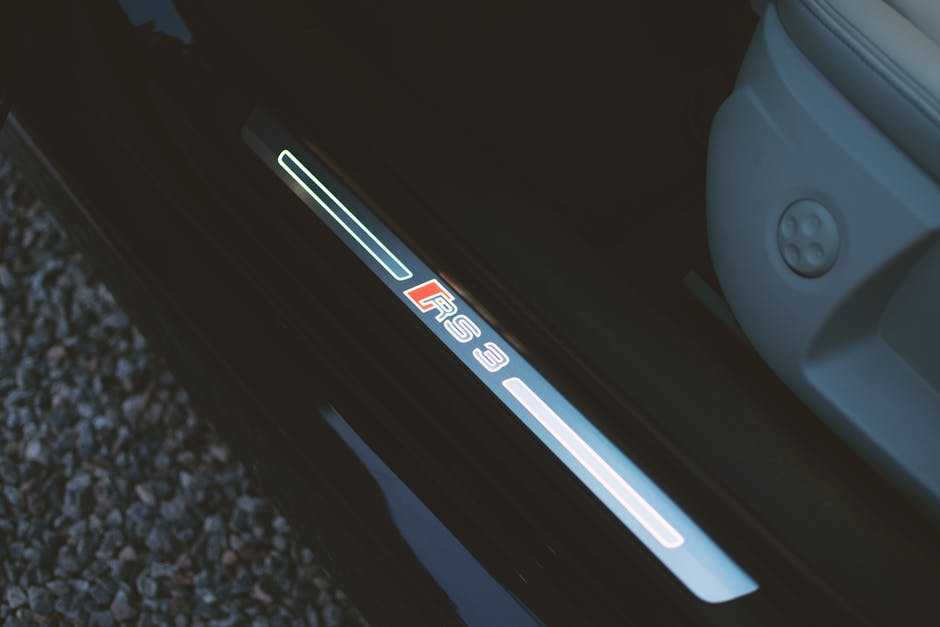
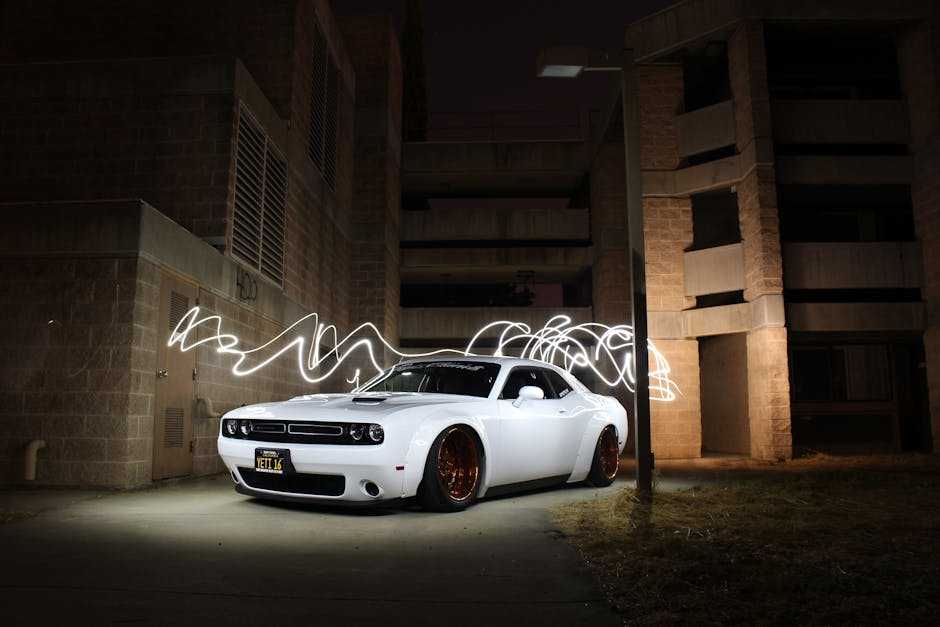
Luxury car buying in 2024 is no longer just about reflecting status it’s about expressing identity. Modern consumers, especially younger buyers, are prioritizing experience, meaning, and customization over traditional markers of wealth.
From Status Symbol to Statement Piece
The days when luxury vehicles were simply about badge appeal are shifting. Buyers now use their cars as an extension of who they are, valuing:
Unique finishes and design selections
Custom touches that reflect personal style
Features that match specific lifestyles or interests
It’s not just about owning something expensive buyers want to drive something that feels made for them.
Experience Over Ownership
Ownership is no longer the end goal for many luxury consumers. Instead, the quality of the driving experience and how well it integrates into their day to day life holds greater value.
Subscription models and concierge services let drivers switch vehicles based on needs or preferences
In car tech offers personalized comfort, entertainment, and connectivity
Convenience and adaptability often outweigh permanent ownership
This shift is particularly visible among urban dwelling professionals who place a premium on flexibility.
The Rise of the Young, Tech Savvy Buyer
A new generation is stepping into the driver’s seat and they expect more. Millennials and Gen Z luxury buyers are shaping the market with their digital fluency and demand for customization.
Key trends among these younger consumers include:
Preference for digital first car browsing and purchasing
Expectation of seamless tech integration from app based controls to voice assistants
Desire for individualized experiences and ethical design
These emerging preferences are encouraging luxury car brands to evolve rapidly, meeting demand with more tailored offerings, digital ecosystems, and emotionally resonant design.
Personalization as the New Luxury Standard
Luxury isn’t about exclusivity anymore it’s about individuality. Today’s high end car buyers want machines that reflect who they are, not just what they earn. That’s why personalization has moved from fringe benefit to front and center feature. It starts small paint jobs in lesser seen hues, stitching options for the seats, ambient lighting choices but it doesn’t stop there. Infotainment interfaces, driving modes, even soundscapes are now designed to be customized.
Brands like Rolls Royce, Porsche, and Bentley are diving deep with made to order programs. Want a dashboard in rare wood? Done. Custom startup chimes that match your favorite chord? That’s on the menu. Carmakers aren’t just selling specs; they’re offering identity kits on wheels.
This level of tailoring isn’t a gimmick. Buyers expect it. The idea of bespoke has shifted from boutique to baseline. In a world increasingly obsessed with experience, a car that feels made for you is no longer a luxury. It’s the price of entry.
Tech’s Role in Custom Designed Rides
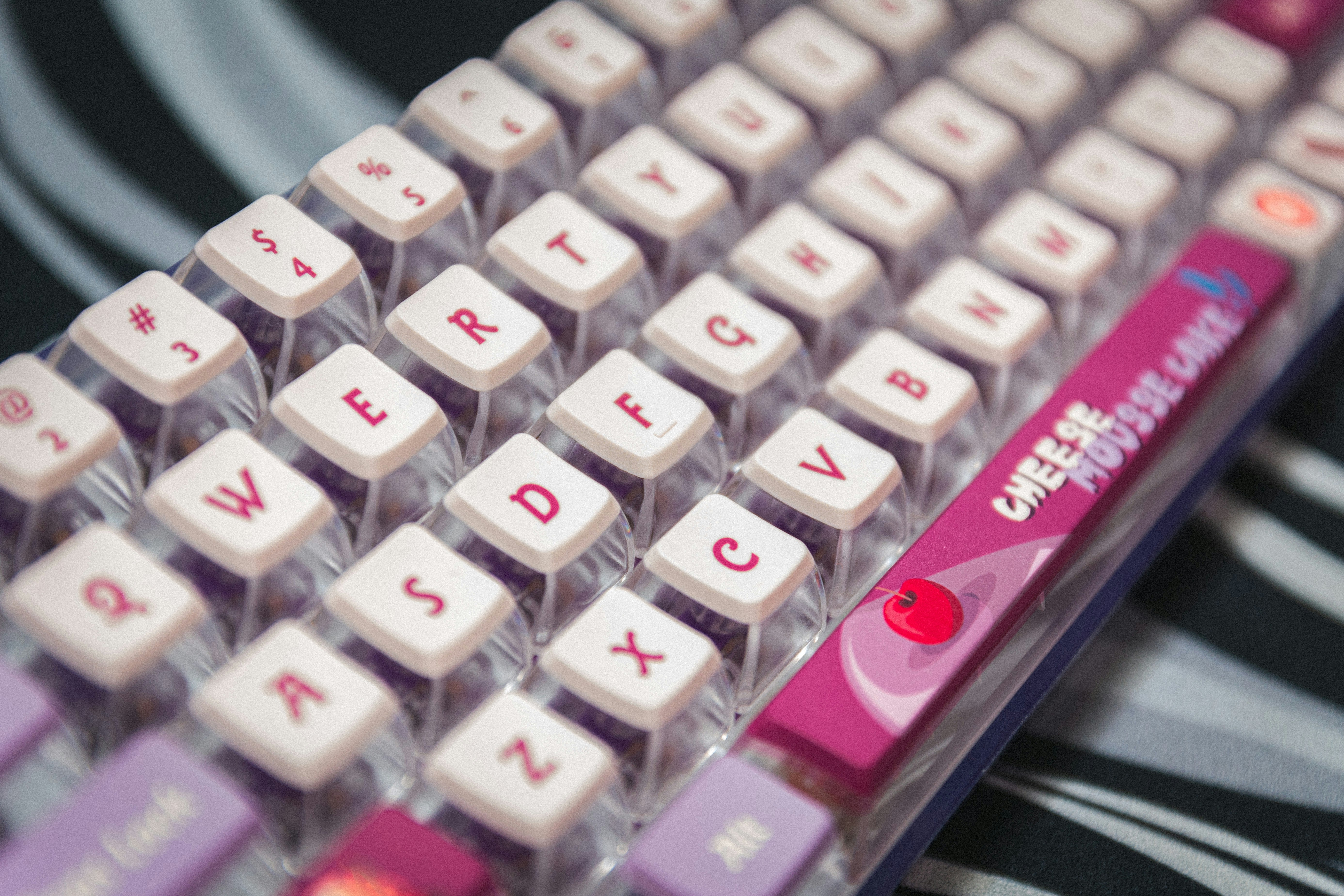
Luxury used to stop at leather seats and a smooth ride. Now, it extends into every part of the in car experience. Touchscreens aren’t just for maps they’re for Spotify integrations, smart home syncing, and ride profiles that remember how warm you like your seat and which podcast you queue up on Mondays.
Mood lighting used to be a gimmick. Now, it’s reactive. Sensors log time of day, driving habits, and even biometric data to adjust cabin lighting to your mood calming tones during heavy traffic, brighter hues on a morning commute. That’s personalization built around more than just aesthetics.
Predictive AI is where it gets seriously tailored. Want your car to learn your coffee stop on Wednesdays? Done. Prefer softer suspension and jazz after 9 p.m.? It adapts. These machines are starting to think like their drivers, thanks to data fed machine learning baked directly into the hardware and software layers.
Bottom line: luxury isn’t just comfort anymore it’s cohesion between tech and lifestyle, built around you.
Strategic Edge for Automakers
Personalization in luxury cars isn’t just about aesthetics it’s strategy. Car makers are realizing that when drivers feel emotionally connected to a vehicle tailored to their tastes and lifestyle, they stay loyal. It’s a small shift with big returns. One off touches like a custom leather trim or software tuned to mirror your driving preferences build a connection you don’t get off the lot.
That connection comes with financial upside. Bespoke features offer higher margins without pushing volume. A buyer asking for a personalized ambient lighting profile or limited edition colorway is willing to pay extra. And they’re not comparing price tags they’re buying a tailored experience. Luxury brands are doubling down on this by expanding concierge style ordering systems and offering deeper build customization.
What’s more, customization is sparking faster innovation cycles. Automakers can gather feedback in shorter loops seeing what drivers want, applying it practically, and then refining just as quickly. In a market craving agility, this matters.
For a full dive into how brands like Rolls Royce and Mercedes Maybach are leading with bespoke innovation, explore this piece: Customization in High End Cars.
Personalization isn’t just an add on. It’s a battleground for brand loyalty, revenue, and relevance.
What This Means for the Road Ahead
Personalization used to be a badge of exclusivity. Now it’s a baseline requirement. Luxury car buyers in 2024 aren’t just paying for advanced engineering or sleek design they’re expecting vehicles to mold to their lifestyle from day one. Preferences in climate, seating, music, and even scent are aspects that buyers want to control, as easily as they customize playlists or phone settings.
The line between your car and your tech ecosystem is thinning fast. Vehicles are now hubs for Spotify sessions, smart home commands, and voice assistants that already know your coffee order. The automotive experience is becoming fully integrated with digital life, not separate from it. Your car isn’t just transport it’s a rolling extension of your identity.
Looking ahead, AI will be the driver behind truly adaptive cars. Think: learning your commute patterns and recommending departure times, adjusting seat posture based on who’s driving, or recognizing your mood via biometric sensors and shifting lighting and sound accordingly. These aren’t gimmicks they’re the next standard.
Bottom line: personalization is no longer an upsell it’s the new expectation. And the brands that get that will win.
Explore more on customization in high end cars and understand how this trend is redefining value in the luxury auto world.
 Founder & CEO